Days out
How to plan a dog-friendly day out in the UK
Plan a dog-friendly day out around one main stop, check venue policies, allow time for breaks and keep a simple alternative ready.
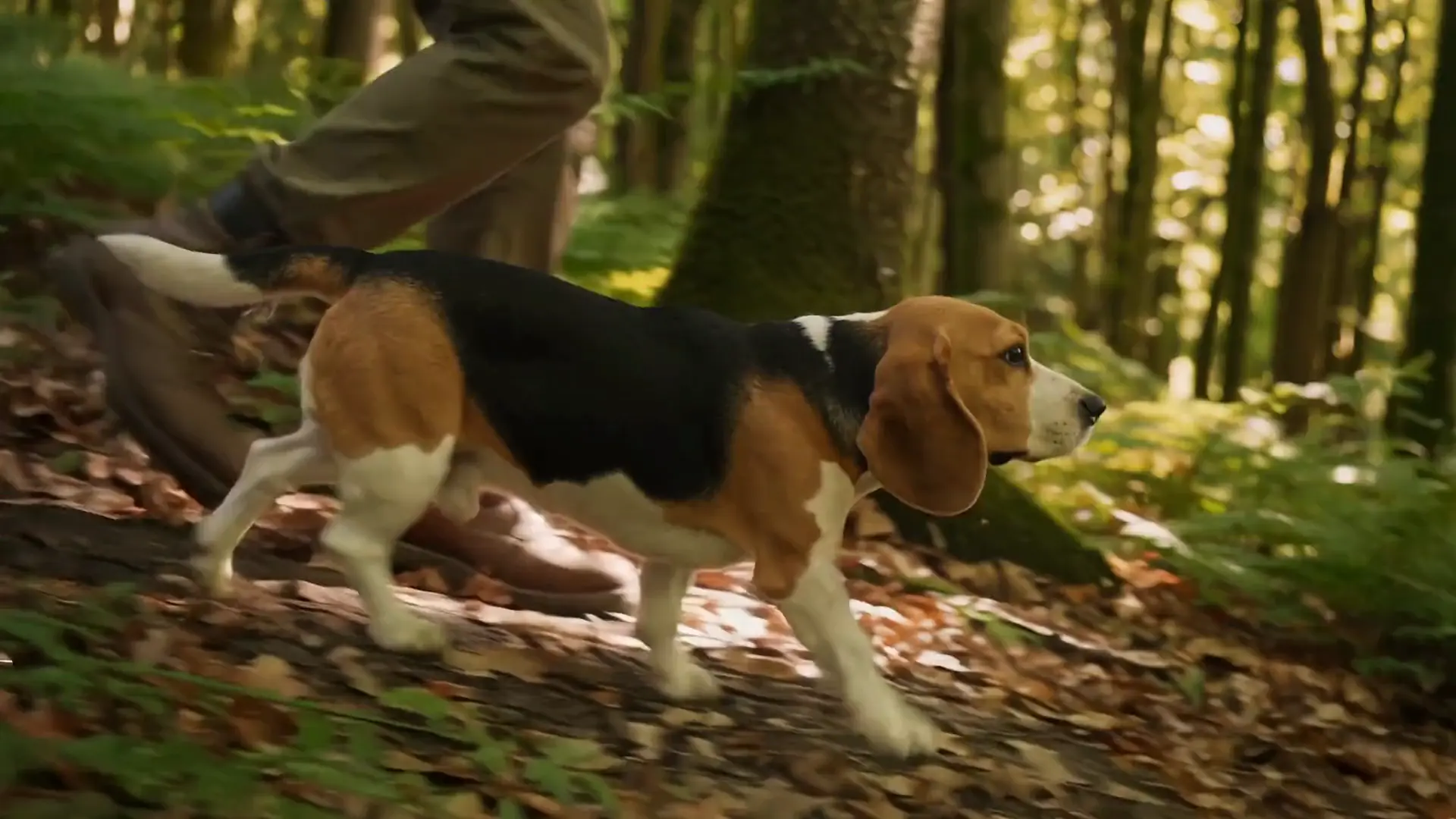
A good dog-friendly day out starts with one place your dog is likely to enjoy, a realistic journey and a check of the current dog policy. Add a nearby break only if it suits the day. Keep enough flexibility to shorten the outing, change the route or head home.
Snootly's Days Out planner is built around the same idea: a main destination with nearby stops, clear travel times and practical place information. This guide turns that structure into a checklist you can use for a local café visit, a woodland walk or a day further afield across the UK.
Choose a main stop that suits your dog
Begin with the kind of day you want to share: a familiar walk with a coffee afterwards, a quiet trail or a visit to a new park. Consider what your dog already enjoys, how they cope with travel and how comfortable they are around other dogs and busy spaces. Choose the outing from that starting point.
Give the day one main destination. Then look for an optional stop close to it or on the way home. Two places that look near each other on a map may have a long drive between them, so check the route before adding both. Include the journey back when deciding how far you want to go.
Write down the reason for each stop. 'Quiet woodland path with a shorter loop available' helps you compare options more clearly than a long list of saved places. If the main destination already gives you the day you wanted, you can leave the rest of the plan open.
Check what dog-friendly means at each place
Read the venue's own website or contact the team before travelling. A place may welcome dogs on a terrace but have different rules indoors. Check the area you actually plan to use, whether you need to book and whether the dog policy has conditions. Save the answer alongside the place so you can find it easily on the day.
For a walk or beach visit, use the landowner's or local authority's current information. The National Trust advises checking local signs because access and lead arrangements can vary, including seasonal beach restrictions. Recheck notices when you arrive. A previous visit or an old review does not confirm today's conditions.
Treat missing information as a question to resolve. A listing without a restriction recorded is not confirmation that there is no restriction. Snootly's place details distinguish recorded rules and amenities from information that has not been checked, so you can see where another check is needed.
- Access: are dogs welcome in the exact part of the venue or route you will use?
- Timing: what are the opening times, booking requirements and current restrictions?
- Facilities: where are parking, toilets, water and waste bins, when available?
- Route: are there steps, stiles or other features that affect your group?
Leave breathing room in the plan
Travel time is only part of an outing. Allow for parking, getting ready, pauses and finding your way to the start. Keep any booked stop far enough from the walk that a slower pace does not turn into a rush. A short route with time to explore may suit your day better than a longer route squeezed between bookings.
Check the forecast before leaving and choose an alternative if the conditions do not suit your dog or the route. Pack drinking water and a bowl, the equipment you normally use, waste bags and whatever your dog needs for the time away. Bring a towel when the plan is likely to involve mud, and keep the route information available if reception is poor.
Pick a shorter option in advance. It could be a turn-back point on the same path, a nearer place or a direct journey home. You can decide to use it at any time. Keep other people in the group aware that stops are flexible so nobody feels they have to finish the itinerary.
Use the visit to make the next plan easier
When you arrive, look at the actual conditions before committing to the plan. Follow the signs and the site's current guidance, give other visitors space and clear up after your dog. The National Trust's Canine Code asks visitors to take filled waste bags home when a suitable bin is unavailable.
Afterwards, save a few practical details while they are fresh. Note which entrance you used, where you parked and whether the planned pause worked well. Describe your own visit without treating it as a permanent promise about the place: 'Quiet when we arrived on Tuesday morning' is more useful than declaring that a venue is always quiet.
In Snootly, you can save places, keep private check-ins and return to a saved day plan. Use those notes to build a shortlist for different kinds of days. A local favourite, a wet-weather alternative and a longer outing give you useful choices when the next free afternoon appears.