Safety
Bonfire Night with your dog: a practical fireworks guide
Prepare for fireworks with earlier walks, a familiar hiding place and a clear care plan. What to do on Bonfire Night and when to speak to your vet.
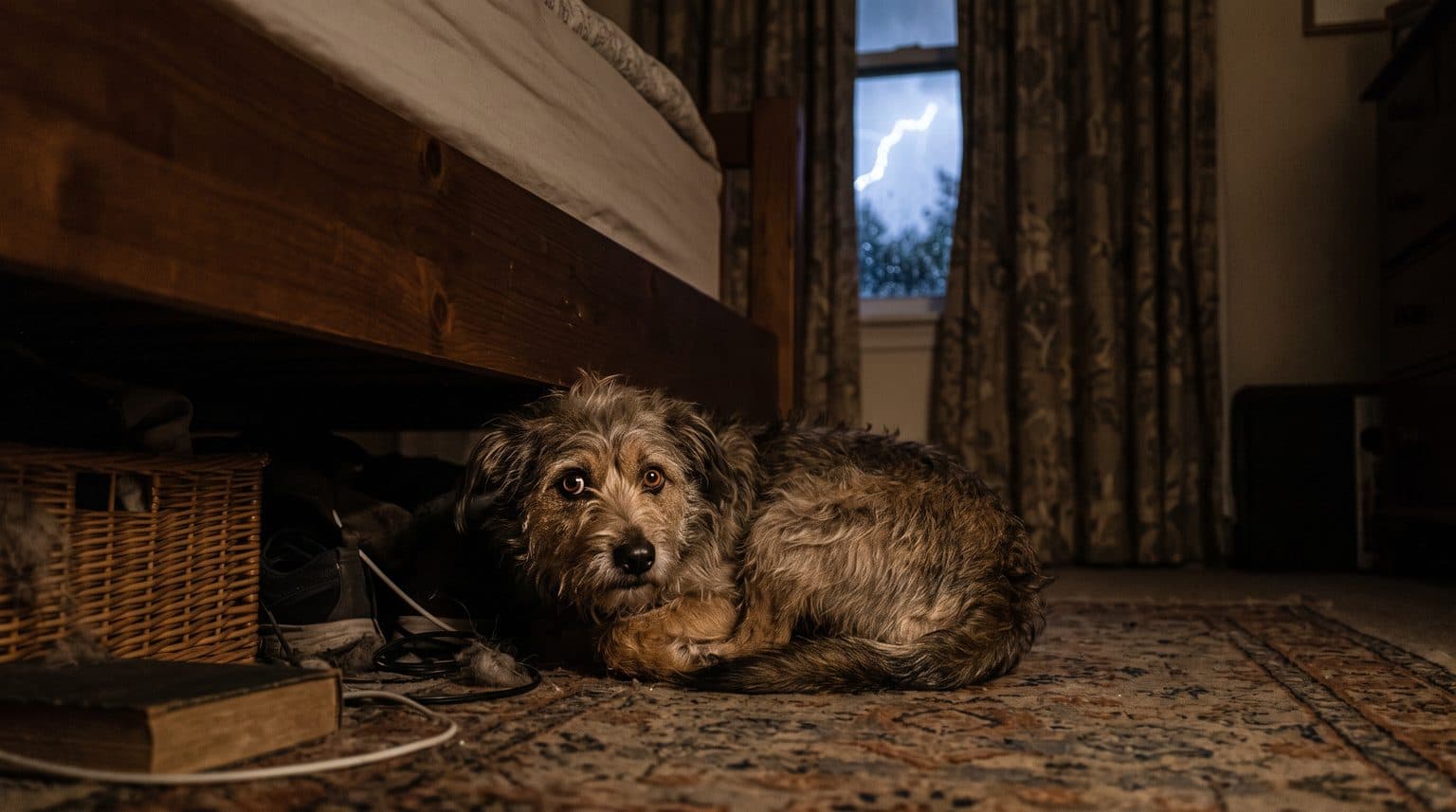
Before fireworks begin, walk your dog in daylight, prepare a familiar place to retreat and arrange for someone they trust to stay with them. During the noise, keep them safely indoors and let them choose between hiding and seeking comfort. If your dog struggles with fireworks, contact your vet now rather than waiting for the night itself.
Bonfire Night is on 5 November, but fireworks can happen on surrounding evenings too. This guide brings together advice from Dogs Trust, Blue Cross, PDSA and the RSPCA for UK dog owners. It is general guidance; your vet can help with your dog's individual needs.
Start with the evenings around Bonfire Night
Check nearby display dates and ask neighbours about their plans. This cannot tell you when every firework will happen, but it helps you plan company and earlier outings. Check that your dog's microchip contact details and collar tag are current, and look for gaps in fences or insecure doors and windows.
If your dog was frightened last year, or is already reacting to bangs, speak to your vet as soon as possible. They can check for contributing health problems and discuss treatment or referral to a clinical behaviourist. Follow any prescribed medicine instructions exactly. Do not give human medicine or another dog's prescription.
Prepare a hiding place your dog can choose
PDSA recommends setting up a den ahead of fireworks season in a place your dog already uses when worried. Familiar bedding and favourite toys can help make it inviting. Keep water nearby and give your dog access before the noisy evenings arrive.
A space under a table or beside furniture may suit them. A crate is an option only if it is already somewhere they feel comfortable. Let them come and go; never shut them inside or force them to use the den. They may choose another safe hiding place instead. Make sure everyone at home knows to leave them undisturbed there.
Bring the walk forward and settle indoors
Blue Cross advises walking earlier in the day, before fireworks start. Keep your dog on a lead if fireworks may be set off. Do not take them to a display, leave them tied outside a shop or leave them in a car while you watch.
Before dusk, close curtains and windows, turn on the lights and check doors are secure. Familiar TV or radio at a comfortable volume may help mask outside noise if your dog is used to it. Do not turn it up so loudly that it becomes another worry. Accompany your dog for garden toilet trips and never force them outside during fireworks.
Offer comfort and let your dog choose
Stay with your dog, or arrange for someone they know and trust to be there. Watch for trembling, pacing, panting, hiding or a sudden loss of interest in food. These can be signs of distress, though they can also have other causes. Speak to your vet if you are concerned.
Dogs Trust advises calmly giving attention if your dog seeks reassurance. You do not need to ignore them. If they prefer hiding, let them stay there. Never punish barking, an accident indoors or other behaviour caused by fear.
The RSPCA suggests offering a favourite toy if your dog wants to join in. Keep it optional. A frightened dog does not need to finish a game, eat a treat or perform a cue. Staying nearby and allowing them to retreat may be the most useful thing you can do.
Keep a note and plan for next time
Afterwards, note what you observed, roughly when it happened and where your dog chose to settle. Return to their usual routine as they are comfortable. If fear persists, is severe or appears for the first time, contact your vet. A few concrete observations can help that conversation.
Sound training is a longer project. Blue Cross advises starting a desensitisation plan months ahead, rather than during fireworks season. Ask your vet or a qualified behaviourist how to approach it. Dogs Trust provides sound therapy resources with accompanying instructions. Playing loud firework recordings to make a dog 'get used to it' can make fear worse.
Common questions
Should I comfort my dog during fireworks?
Yes, if your dog seeks reassurance, offer calm attention. Dogs Trust advises comforting a dog who comes to you. If they prefer hiding, let them remain in their safe space rather than coaxing them out.
Can I take my dog to a fireworks display?
No. Blue Cross advises against taking dogs to fireworks displays, even if they usually cope with crowds and noise. A sudden bang may frighten them and make them try to escape. Arrange for them to stay safely at home with someone they trust.
Is it too late to help my dog before Bonfire Night?
You can still arrange company, earlier walks and a familiar hiding place, and contact your vet about your dog's fear. Do not rush sound training during fireworks season. Blue Cross advises starting that work months ahead with appropriate guidance.