Play and enrichment
How to keep your dog busy: easy enrichment games at home
Keep your dog busy at home with easy enrichment: sniffing games, food puzzles, tricks, tug and calm time, plus how to keep every game safe.
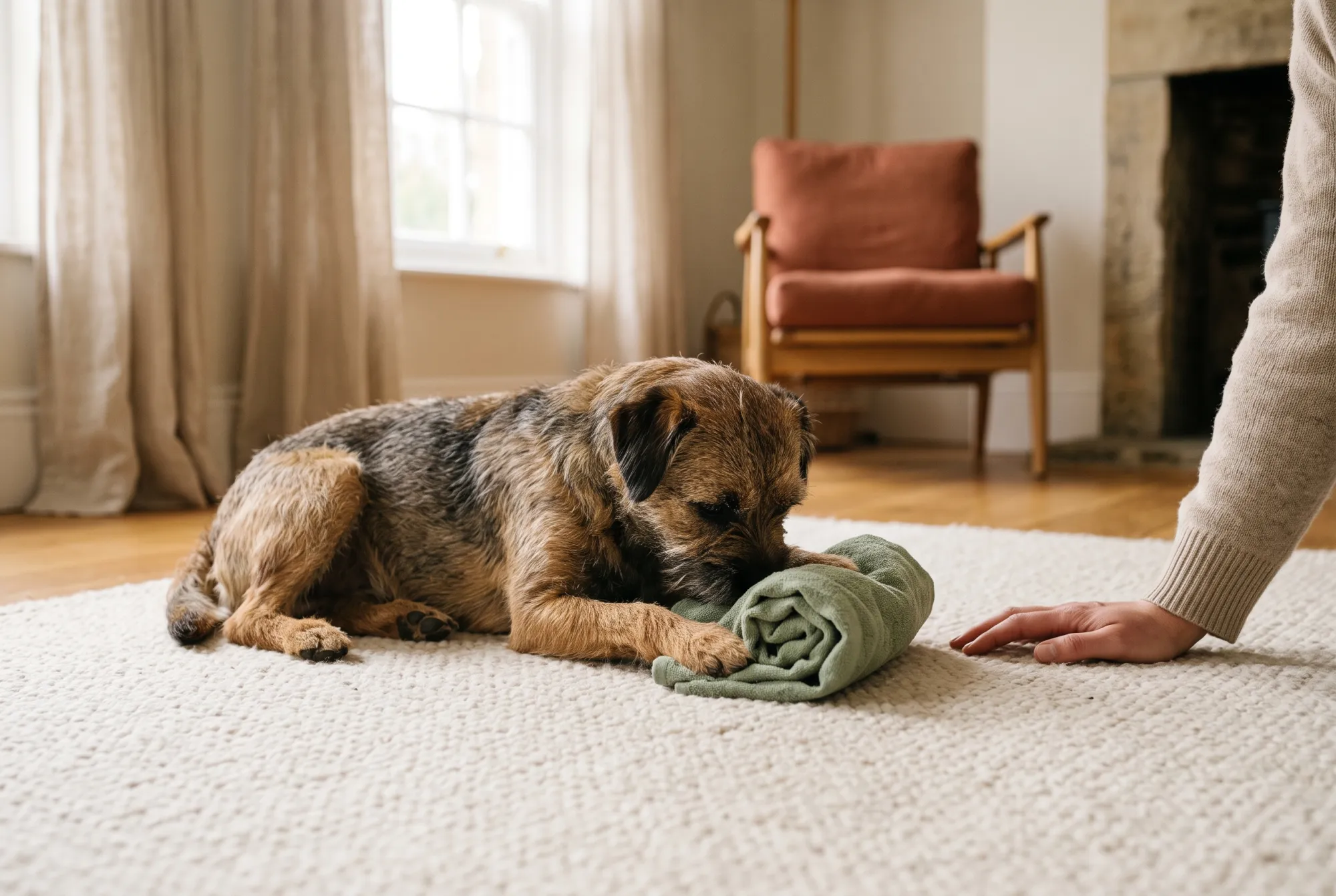
To keep your dog busy, give them short, safe chances to do what dogs naturally enjoy: sniffing, foraging, chewing, licking, solving simple puzzles, chasing a toy and spending time with you. Hide part of their daily food around a room, roll kibble into a towel or teach a small trick. Offered daily and rotated, games like these can leave a dog satisfied and ready to rest.
The games below follow the six groups on the Games page in Snootly's Entertainment section, and most need only a towel, a cardboard box or part of your dog's usual food. The advice throughout draws on guidance from Dogs Trust, Blue Cross, PDSA and the RSPCA.
What is enrichment for dogs?
Enrichment means giving your dog safe, suitable chances to use their natural instincts. Blue Cross describes it as activities and opportunities that let dogs express natural behaviours, and Dogs Trust says it lets them sniff and chew appropriately. For most dogs that means sniffing, scavenging, chewing, licking, solving problems, chasing, playing and time with their people.
Dogs Trust says mental exercise is just as important as physical exercise and can be just as tiring. PDSA says basic training can tire a puppy as much as playing or a walk. Play still adds to walks rather than replacing them, as PDSA points out.
Why enrichment matters for bored or frustrated dogs
Dogs are intelligent and can become bored, the RSPCA says, and a bored dog may bark more. Bored dogs also tend to find their own entertainment: chewed belongings, scratched furniture or holes dug in the garden. Dogs Trust says boredom can make it hard for a dog to settle, and some pace instead of resting.
Frustration can build when a dog has fewer chances to use their energy. Blue Cross gives the example of young puppies and dogs who cannot exercise off the lead. PDSA suggests puzzle feeders and snuffle mats for dogs resting after illness or injury, alongside your vet's advice.
The same behaviours can also come from stress, fear, pain or distress at being left alone. If they start suddenly, get worse or happen mainly when your dog is alone, speak to your vet first. Then ask about an accredited behaviourist.
Easy brain games for dogs, grouped by type
Snootly sorts its games into six groups, and mixing groups gives your dog a varied week. Each game has simple steps, a time and a difficulty level, and most carry a safety note. A shuffle button or, on many days, a Today's pick helps you choose.
Choose groups that suit your dog's breed type and personality, and rotate them, as Blue Cross suggests. For a longer plan, the Tricks and Enrichment guided program in Snootly's Training section builds tricks and scent games over five weeks.
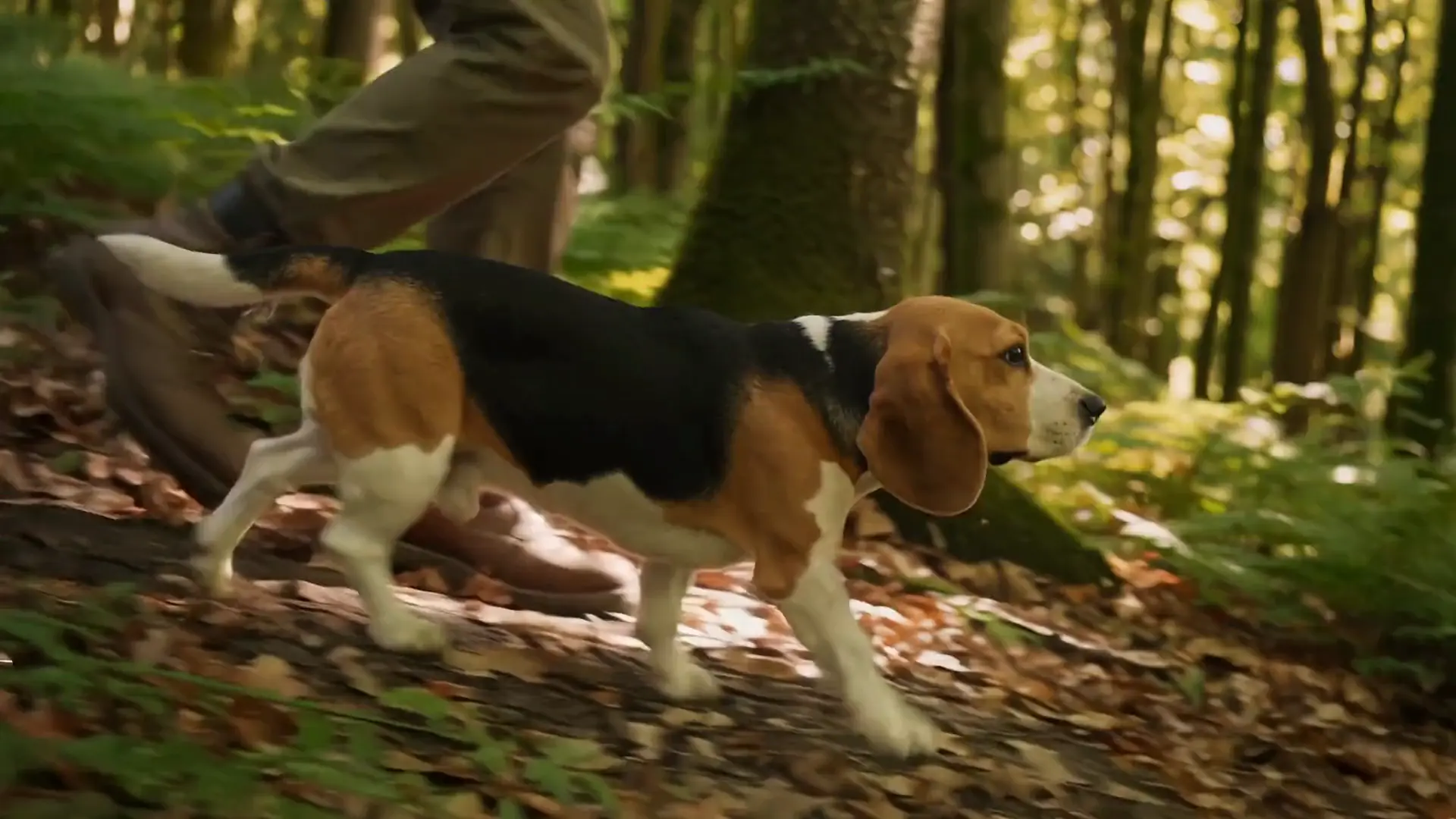
- Nose & Scent: hide food around one room, easy spots first, and say 'find it', or roll kibble into a hand towel for your dog to unroll.
- Food Puzzles: hide food in a cardboard box of scrunched paper and watch while your dog digs, or spread wet food thinly on a lick mat and freeze it.
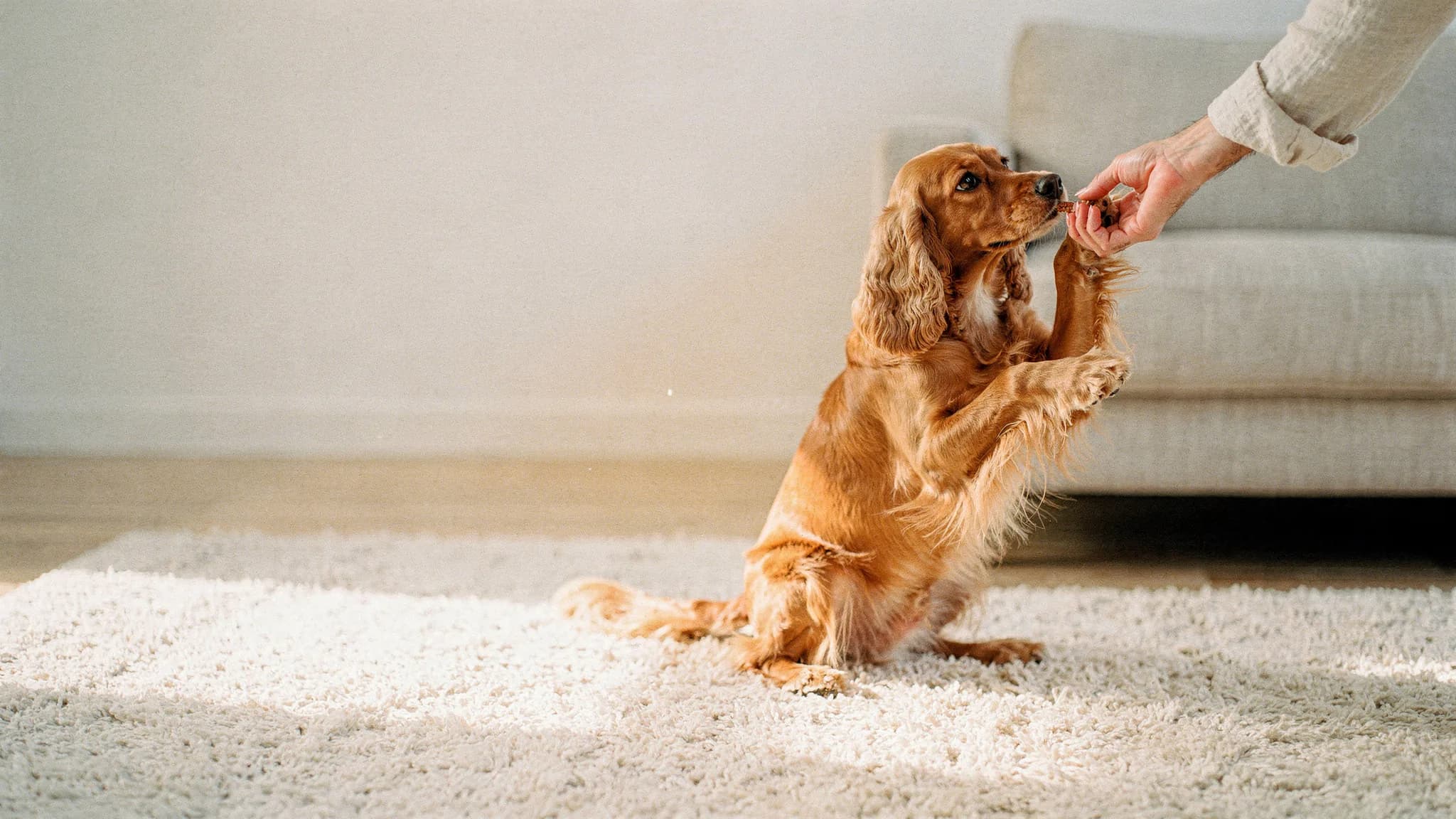
- Brains & Tricks: teach a high five in small steps with rewards, or teach your dog a toy's name and ask them to find it among the others.
- Action & Chase: play tug, going still until your dog lets go and then starting again, and keep fetch to a few throws on a non-slip surface.
- Brave & Confident: put treats on a doormat, a bath mat and a folded blanket for your dog to explore if they choose, or take a slow, sniffy walk at their pace.
- Calm & Bond: brush your dog gently where they enjoy it, with treats and pauses, or teach them to settle on a mat beside you.
How to set up enrichment so your dog succeeds
Make the first round easy enough to solve almost at once, then make it a little harder next time. Blue Cross warns that food games which are too easy or too hard can cause frustration. Dogs Trust suggests making a game easier if your dog seems confused.
Use part of your dog's daily food rather than extra treats. Dogs Trust suggests splitting the daily allowance into portions for games, or taking food used in the day out of the evening meal. That way, enrichment does not lead to weight gain.
Match each game to your dog's age, health and breed, and ask your vet first if they are on a special diet or recovering. Keep sessions short. If your dog gets excitable, Dogs Trust suggests a break every 5 to 10 minutes and plenty of sniffing, chewing or licking at the end to help them settle.
How to keep enrichment games safe
Stay with your dog during food puzzles, chews and homemade games, as Dogs Trust and Blue Cross advise, and clear away paper, cardboard and fabric afterwards. Ask your vet which chews suit your dog. PDSA suggests only leaving your dog alone with toys you are sure they cannot destroy or swallow.
Blue Cross says dogs often play fetch beyond their limits because they enjoy it so much. PDSA's vets warn that repeated chasing, sprinting and sudden stops can stress joints and muscles. Keep ball games short, with breaks to walk and sniff, and avoid throwing toys for dogs that are still growing, elderly, injured or arthritic.
- Sticks: never throw them, as PDSA warns they can splinter, get stuck in the throat or impale a dog.
- Worn toys: check them regularly and throw away any with parts that could be bitten off or swallowed.
- Balls: choose one too big to fit wholly in your dog's mouth, as tennis balls can lodge in a small dog's throat.
- Fillings: never use chocolate, grapes, raisins, onions, garlic or anything with xylitol, a sweetener sometimes listed as E967 and found in some peanut butter.
- Emergencies: if your dog is choking, struggling to breathe or has swallowed part of a toy, contact your vet or an out of hours vet immediately.
Indoor games for rainy days and working from home
Blue Cross says there is plenty you can do indoors to tire your dog out when it is too hot, cold or dangerous to go out. When you work from home, Dogs Trust suggests a routine, play between meetings and teaching your dog to settle on their own.
Plan a game or a walk before you need quiet time. Dogs Trust says fun activities before you want your dog to settle may help them rest more easily.
- Before a video call: a frozen lick mat or a rubber food toy filled with part of their lunch.
- Between meetings: a quick game of find it, using a favourite toy instead of food if your dog is on a diet.
- Busy mornings: breakfast scattered across the kitchen floor or the lawn instead of in a bowl.
- Wet afternoons: a cardboard box dig, a newspaper parcel with food inside, or hide and seek with someone in the family.
- Indoor fetch: a soft toy that does not bounce, played on carpet so your dog does not slip.
Common questions
How much enrichment does a dog need each day?
There is no fixed amount, but Dogs Trust says enrichment should be provided daily and can be spread through the day. Balance it with rest: Dogs Trust also says most adult dogs need 12 to 14 hours of sleep a day, and puppies and older dogs need even more.
Is a snuffle mat good for dogs?
For most dogs, yes. A snuffle mat turns part of a meal into a sniffing game, and Dogs Trust, Blue Cross and PDSA all suggest them. To make one, knot strips of old fleece through a rubber shower mat with holes and hide small pieces of food among them. Stay nearby in case your dog chews the fabric.
Is tug of war bad for dogs?
No, not for most dogs. Blue Cross says tug is a very rewarding game for most dogs and a good outlet for natural behaviours, despite worries that it makes dogs controlling or aggressive. Start gently, teach a word such as 'out' for letting go, and let your dog win the toy regularly.
What enrichment suits an older dog?
Scent games suit most older dogs: PDSA says dogs benefit from them at any age if their sense of smell is good, and old dogs can still learn new tricks. Keep games low and gentle, lay rugs over slippery floors, and stop when they lose interest or lie down. Ask your vet about any stiffness.