New puppy
Puppy socialisation: why it matters and how to do it well
Puppy socialisation shapes how your dog copes with everyday life. Learn why the early weeks matter and how to introduce the world calmly, at your puppy's pace.
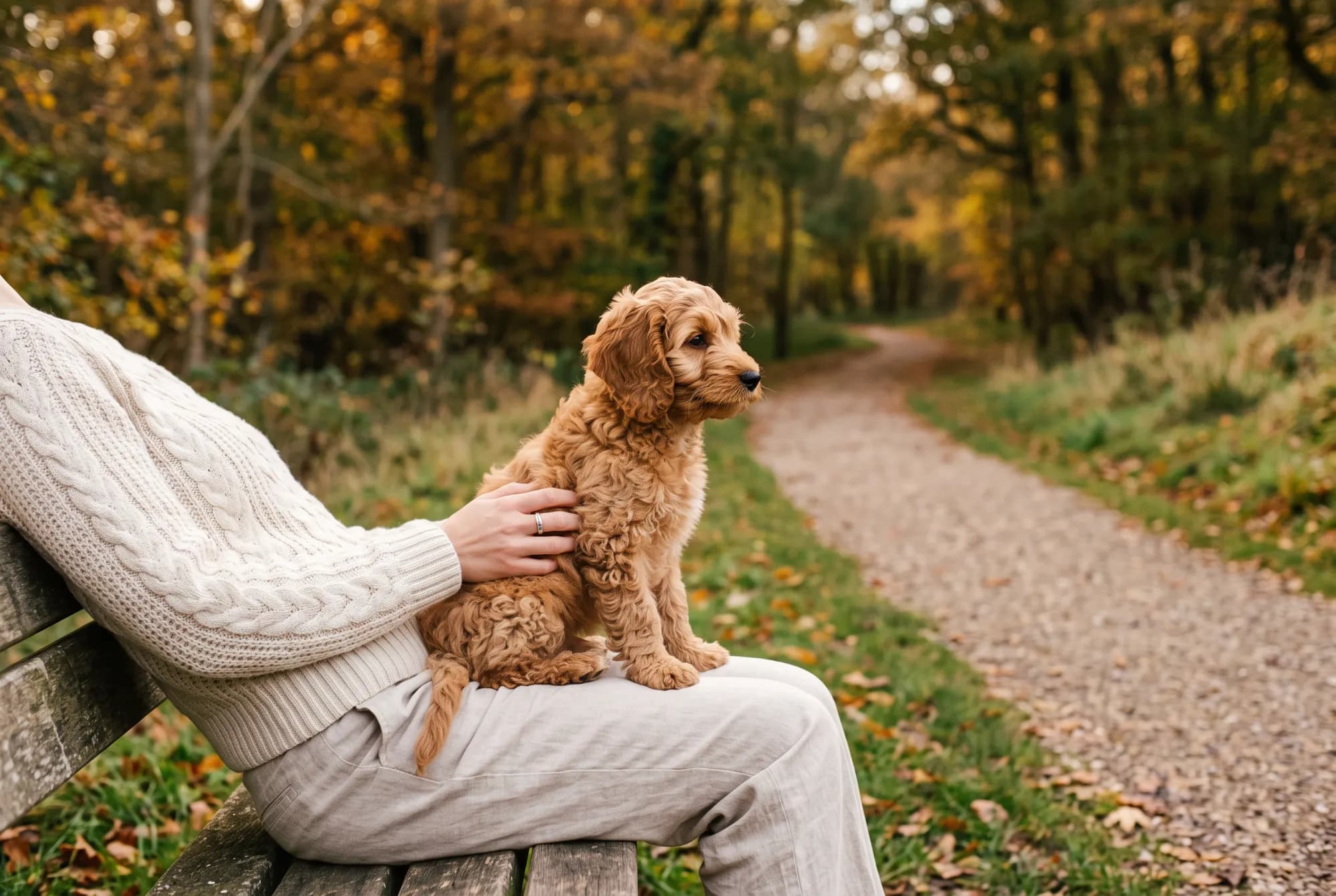
Puppy socialisation matters because what a puppy experiences in the first few months shapes how they cope with everyday life as an adult. Calm, positive introductions to people, dogs, sounds, handling and places help them accept these things as normal. Dogs Trust warns that puppies who are overwhelmed or have bad experiences early on are more likely to be worried, and to develop behaviour problems, as adults.
This guide draws on advice from Dogs Trust, the Royal Kennel Club, Blue Cross, PDSA, Battersea and the RSPCA. Snootly's New Puppy checklist, found in Pup Care, lists 'Start socialising now' among the first days at home, and this guide shows how to do it well. Running a training session is covered in our guide to short, rewarding training sessions.
Socialising a puppy before vaccinations are complete
Until your vet says your puppy is protected, keep them off public ground and away from dogs of unknown vaccination status, as diseases such as parvovirus can be fatal for puppies. Battersea says most puppies reach this point a couple of weeks after their second vaccination, but timings vary, so follow your vet's advice.
Socialisation can still start straight away. Carry your puppy in your arms or a sling to watch the world from a bench or a quiet corner, and invite calm visitors home. Let them meet only healthy dogs you know are fully vaccinated, ideally in a private garden. Play recordings of traffic, fireworks or thunder at a very low volume, raising it gradually over several days while your puppy stays relaxed.
A good puppy class helps, though most of the work happens at home. Blue Cross says puppies usually attend between 12 and 20 weeks, and PDSA advises checking which vaccinations your puppy needs before the first class. Choose a small, calm, reward-based class for young puppies, and look elsewhere if there is lots of uncontrolled play.
Signs your puppy is worried, and what to do
Dogs often whisper before they shout. Dogs Trust explains that subtle signals such as lip licking, a tucked tail or moving away can turn into growling or snapping if nobody notices. Context matters too: licking the lips while dinner is prepared is normal, but on a busy street it may mean worry.
When you see these signs, stop and calmly create distance, even if that means heading home. Ask people not to approach, let your puppy settle somewhere quiet and never tell them off. Try again another day with an easier version, further away or quieter, and speak to your vet if your puppy panics or does not bounce back.
- Lip licking with no food around, or yawning when not tired.
- Turning the head or body away, or avoiding eye contact.
- Ears pulled back, a tucked tail or a crouched, cowering body.
- Freezing, slowing right down or refusing to move.
- Backing away, hiding or trying to escape.
- Trembling, or panting when not hot or recently exercised.
- Growling, snapping or showing teeth: space is needed now.
Is it too late to socialise an older puppy or rescue dog?
No, but go more slowly. Blue Cross notes that puppies grow more cautious about new things as they get older, so give an older puppy, adolescent or rescue dog more distance and more time. Dogs Trust warns that making a dog face their fears could make things worse.
Adolescence can bring a wobble even after a good start. The Royal Kennel Club says social skills can regress between 6 and 14 months, when a young dog may become fearful of things they used to enjoy. If so, go back to short, positive experiences with treats and play.
A newly adopted dog needs time to settle first. Dogs Trust suggests no visitors for the first few days and short walks in the same place. Snootly's City Dog Confidence program is written for young, nervy or newly rehomed dogs.
For fear or aggression, see your vet first to rule out pain or illness, then ask about an ABTC-registered Clinical Animal Behaviourist or Veterinary Behaviourist, as the RSPCA advises. Dogs Trust notes that dogs generally do not grow out of fear on their own, so ask early.
Common questions
When should I start socialising my puppy?
As soon as your puppy comes home, starting in the house and garden, as Dogs Trust advises. In the first days keep it simple, with household sounds, gentle handling and a calm visitor or two, and plenty of sleep in between. Walks in public wait until your vet says it is safe.
Should my puppy say hello to every dog they meet?
No: Battersea says not every dog needs to be a greeting opportunity, and that learning to walk past calmly is just as important. The Royal Kennel Club warns that one bad lesson from an adult dog can make a puppy fearful or reactive. Keep greetings short, with calm, vaccinated dogs you know.
Do puppies go through fear periods?
Yes, puppies can go through normal fear periods, when familiar things suddenly seem worrying. Battersea says these often happen at around 8 to 11 weeks and again in adolescence from about 6 months. Keep socialising gently, with more distance and shorter outings, and ask for help if your puppy does not bounce back.
How long does puppy socialisation last?
UK advice puts the end of the most sensitive period at between about 12 and 16 weeks, but socialisation carries on for life. Blue Cross advises keeping it up until your puppy is at least a year old, and the Royal Kennel Club's advice for adult dogs is 'use it or lose it': keep mixing with other dogs and visiting new places.
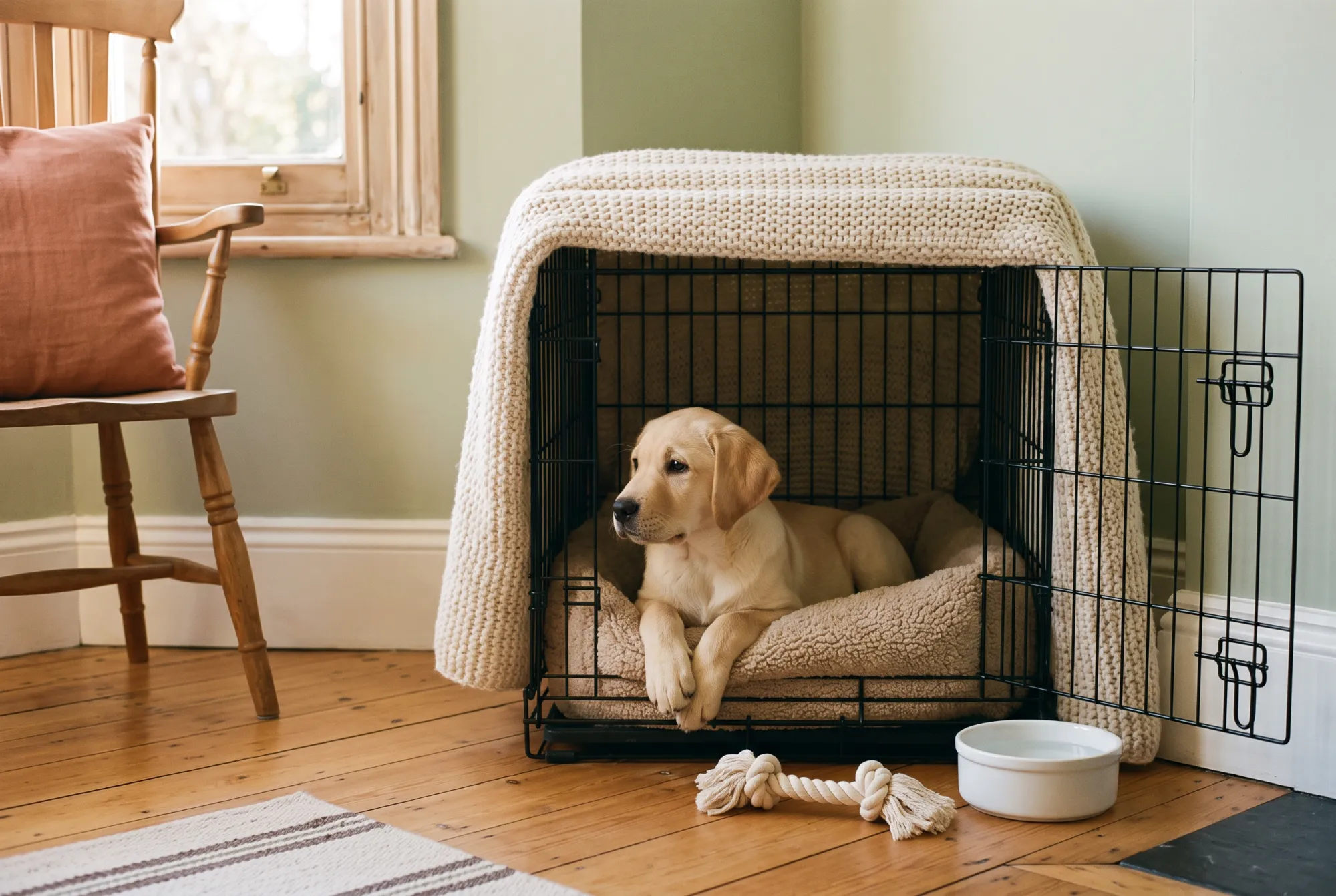
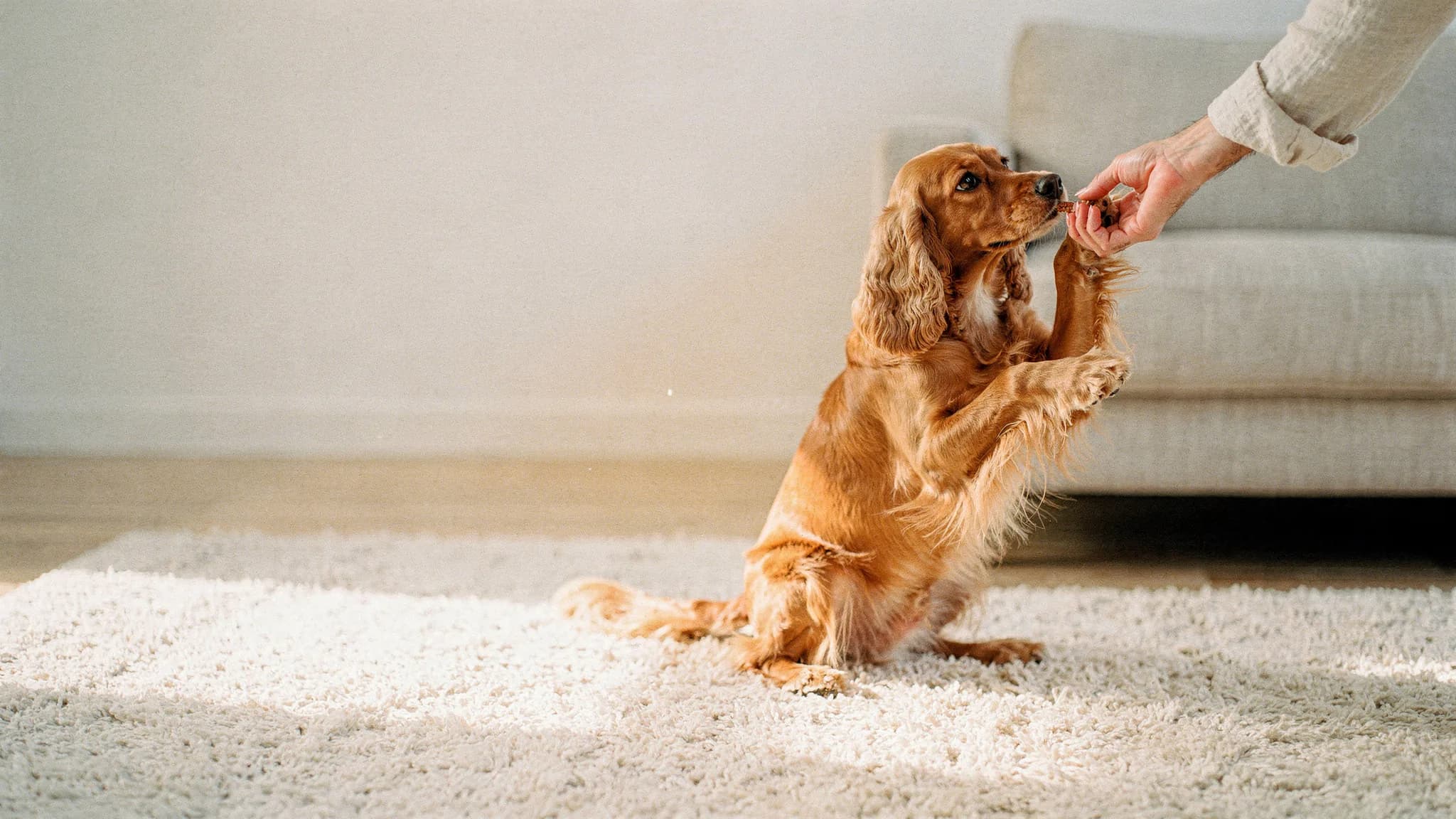
A simple puppy socialisation checklist
Treat this list as a menu, not a race. Add one or two new things at a time, start with the easiest version and repeat it in new places. Count calm experiences, not the number of people or dogs met.
Snootly's guided programs cover parts of it step by step. Puppy Foundations ends with a chapter called 'Out in the world', City Dog Confidence covers 'Surfaces and sounds' and 'People and dogs at a distance', and The Cafe Dog, Vet and Groomer Confidence and Calm When Home Alone take on cafés, handling and time alone.